November 23, 2025
How to reduce poor office hygiene
Introduction
A tidy desk and an empty bin aren’t the only signs of a well-run workplace. Underneath the visible mess lies a more costly problem: poor office hygiene drains employee energy, increases sickness, and quietly eats into your bottom line. From higher absenteeism and presenteeism to reduced morale and accelerated asset deterioration, unclean workplaces drive measurable productivity losses that managers often miss until they become urgent.
Investing in systematic cleaning and hygiene protocols is not a luxury — it’s a business decision. Organisations that treat cleaning as a line-item expense rather than a productivity strategy miss out on improved attendance, higher engagement, and even longer asset lifespans. Industry analyses and public health research link better cleaning programs to fewer sick days, higher perceived productivity, and strong returns on investment; the case for professional cleaning is both health-driven and financially compelling.
How poor hygiene translates into lost productivity
1. More sick days and slower recovery
Germs that spread on doorknobs, in shared kitchens, and in poorly cleaned meeting rooms translate directly into more staff being off work. Absenteeism carries direct payroll and replacement costs, as well as indirect costs in delayed projects and missed deadlines. The CDC has documented the real employer costs of absenteeism, showing that even modest increases in sick leave add up across a workforce.
2. Presenteeism — at-work sickness that cripples output
Employees who come to work sick (presenteeism) often perform at a fraction of their usual capacity. Recent UK analysis estimated the hidden cost of workplace sickness—mainly via reduced productivity—to be over £100 billion a year, with presenteeism accounting for most of that loss. Cleaner workplaces reduce transmission and improve recovery times, helping employees actually do the job they are paid to do.
3. Lower focus, higher error rates, and reduced creativity
Clutter, dust and grime are distractions. Surveys show an apparent psychological effect: when people feel their environment is cared for, they report higher concentration, better work quality, and greater job satisfaction. This effect translates into fewer task interruptions, lower error rates, and stronger creative output.
4. Staff retention and employer brand
A poorly maintained workplace signals a lack of investment in employee welfare. Research and industry reports tie cleanliness to employee satisfaction — and retention satisfaction. That makes hygiene part of your employer brand: keeping the office clean supports hiring and reduces recruitment costs.
5. Hidden facility costs and asset degradation
Dust and grime shorten equipment life and clog HVAC systems, driving up maintenance and energy costs. Quality cleaning preserves carpets, upholstery and electronics — turning cleaning spend into asset preservation. The ISSA “Value of Clean” reports highlight how cleaning strategies produce measurable operational savings and social returns.
Practical hygiene gaps that damage productivity (and how to fix them
-
Shared kitchens & kettles: breeding grounds for bacteria and viruses. Fix: scheduled deep cleans and touchpoint disinfection.
-
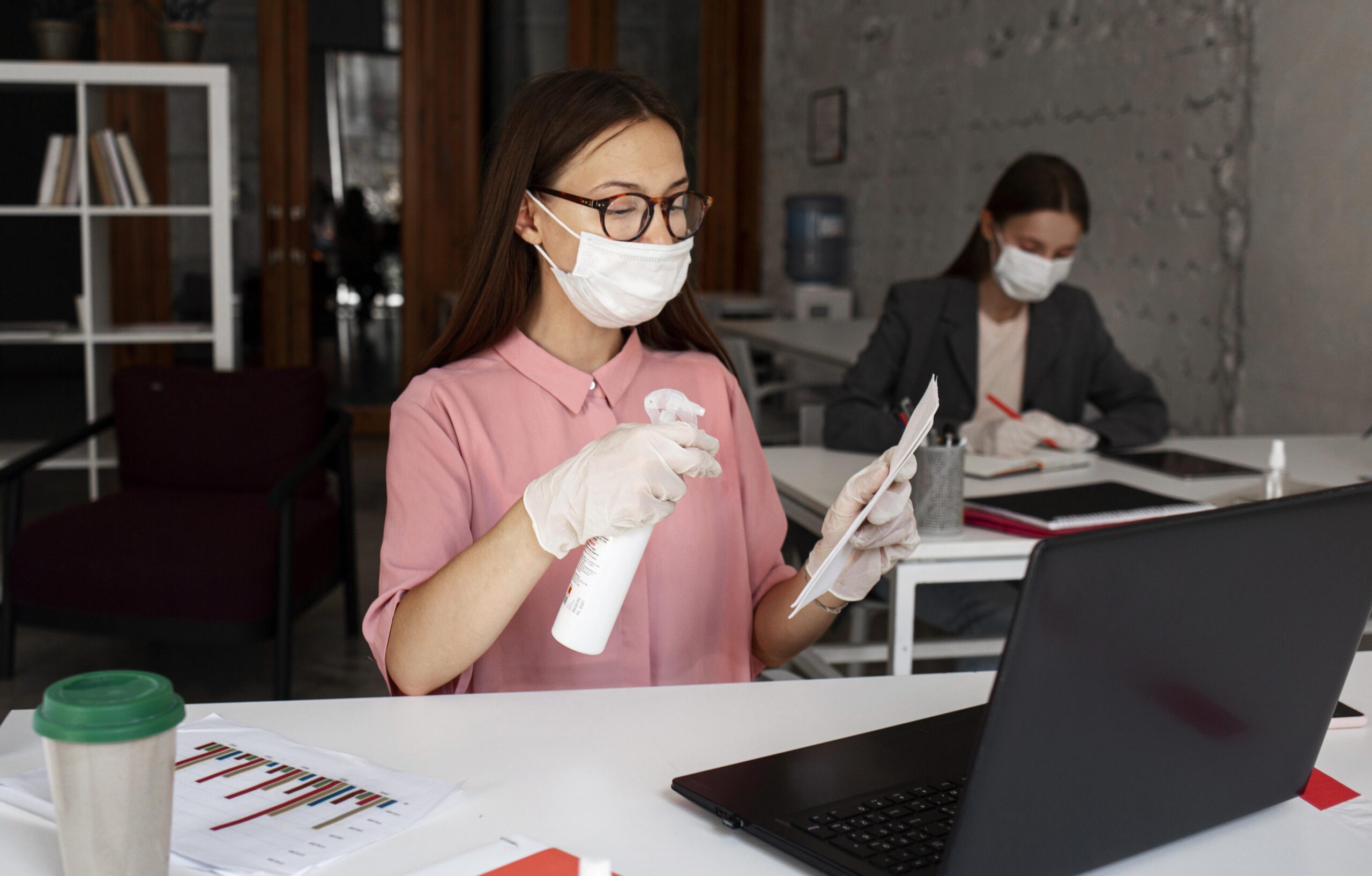
High-traffic touchpoints (doors, lifts, printers): frequent cleaning and the use of sanitiser stations reduce transmission.
-
Poor ventilation and clogged filters: lower air quality increases fatigue. Fix: service HVAC and combine with surface cleaning.
-
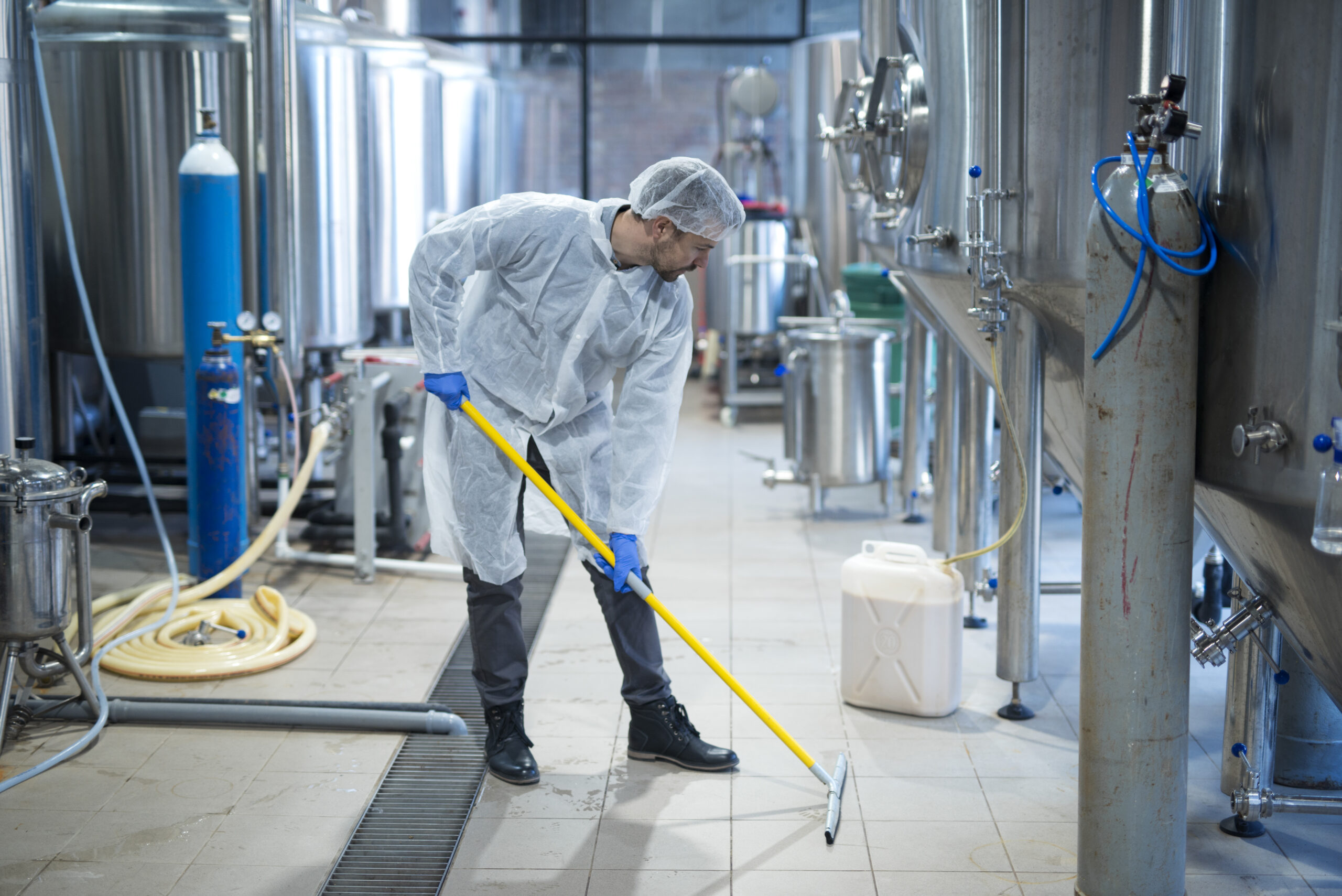
Neglected soft-furnishings (sofas, curtains, carpets): trap allergens and dust — professional upholstery/carpet cleaning restores indoor air quality.
-
Cluttered workstations: visual noise reduces focus — implement regular declutter drives and provide storage solutions.
Link practical solutions to employee policies and put cleaning on the facilities calendar. For support in implementing these fixes, consider Able Pro Cleaning’s commercial and regular cleaning services and book a consultation via Contact Us.
ROI: Why cleaning is an investment, not a cost
Multiple industry studies show that targeted cleaning programs reduce illness-related absences and improve perceived productivity. The ISSA white paper on the value of clean lays out methodologies for estimating returns from reduced absenteeism, lower maintenance costs, and improved occupant wellness. Organisations that model these gains often find cleaning budgets pay back through fewer sick days, reduced overtime pay for absent staff, and lower equipment replacement costs.
Small steps that yield significant gains (30-/90-/180-day plan)
-
30 days: Establish a baseline — audit high-touch surfaces, order hand sanitiser stations, and schedule weekly common-area cleans.
-
90 days: Introduce a quarterly deep-clean cycle (carpets, vents, upholstery), train staff on hygiene etiquette, and log absenteeism trends to measure impact.
-
180 days: Review vendor performance, install air-quality monitors where needed, and publish a workplace-wellness update to staff showing the impact of hygiene measures.
AblePro Cleaning can handle the 90- and 180-day items: professional deep cleaning preserves assets and shows staff you care, boosting morale and retention. Learn more about commercial deep cleaning options at Able Pro Cleaning Services.
FAQ
Q1 — How much productivity can a cleaner office realistically return?
A: Estimates vary by sector, but surveys show a large majority of employees feel more productive in a clean workspace; industry white papers outline concrete calculations for reduced sick-days and lower maintenance costs that translate into clear ROI. Representative studies can help you model expected gains for your team.
Q2 — Is professional cleaning worth it for small teams?
A: Yes. Small teams feel the impact of each sick day more strongly. Even modest improvements in hygiene can reduce interruption costs and keep small organisations running smoothly.
Q3 — What’s the difference between daily cleaning and periodic deep cleaning?
A: Daily cleaning manages visible dirt and touchpoints; deep cleaning reaches hidden contamination (carpets, vents, upholstery, kitchens) that accumulate over time and directly affect air quality and equipment performance.
Q4 — Can better cleaning reduce HVAC and energy costs?
A: Yes. Clean filters and dust-free vents allow HVAC systems to run more efficiently, lowering energy use and maintenance costs over time.
Q5 — How do I measure the success of a hygiene program?
A: Track absenteeism, presenteeism indicators (self-reported productivity), maintenance costs, employee satisfaction scores, and if possible, indoor air-quality metrics.
Conclusion — Make hygiene your productivity strategy
Poor office hygiene is a stealthy tax on output: it increases sickness, dulls focus, shortens asset life, and harms your employer brand. Cleaning done right protects health and delivers measurable business value. If you want to convert hygiene into a productivity advantage, start with an audit, set a cleaning schedule that includes periodic deep cleans, and measure the impact.
AblePro Cleaning specialises in commercial cleaning packages that protect employee wellbeing and support organisational performance. Whether you need regular office cleaning, scheduled deep cleans, or HVAC/vent maintenance coordination, we can tailor a plan to suit your workspace and budget. Visit Able Pro Cleaning Services or contact the team to arrange a workplace audit and get a precise estimate of the productivity gains you can expect.