December 6, 2025
Common Handwashing Mistakes People Make
I’ve watched friends rush through handwashing so quickly that the water barely touched their palms. Others scrub well but still walk around with damp hands. Most people think they’re doing it right, but small habits can quietly weaken the whole process.
I became more aware of this after catching a cold during a period when I washed my hands often but not very well. The moment I improved my technique, I noticed fewer random sniffles and fewer dry patches on my skin. It made me realise how much these tiny habits matter in daily life.
Using Only Water
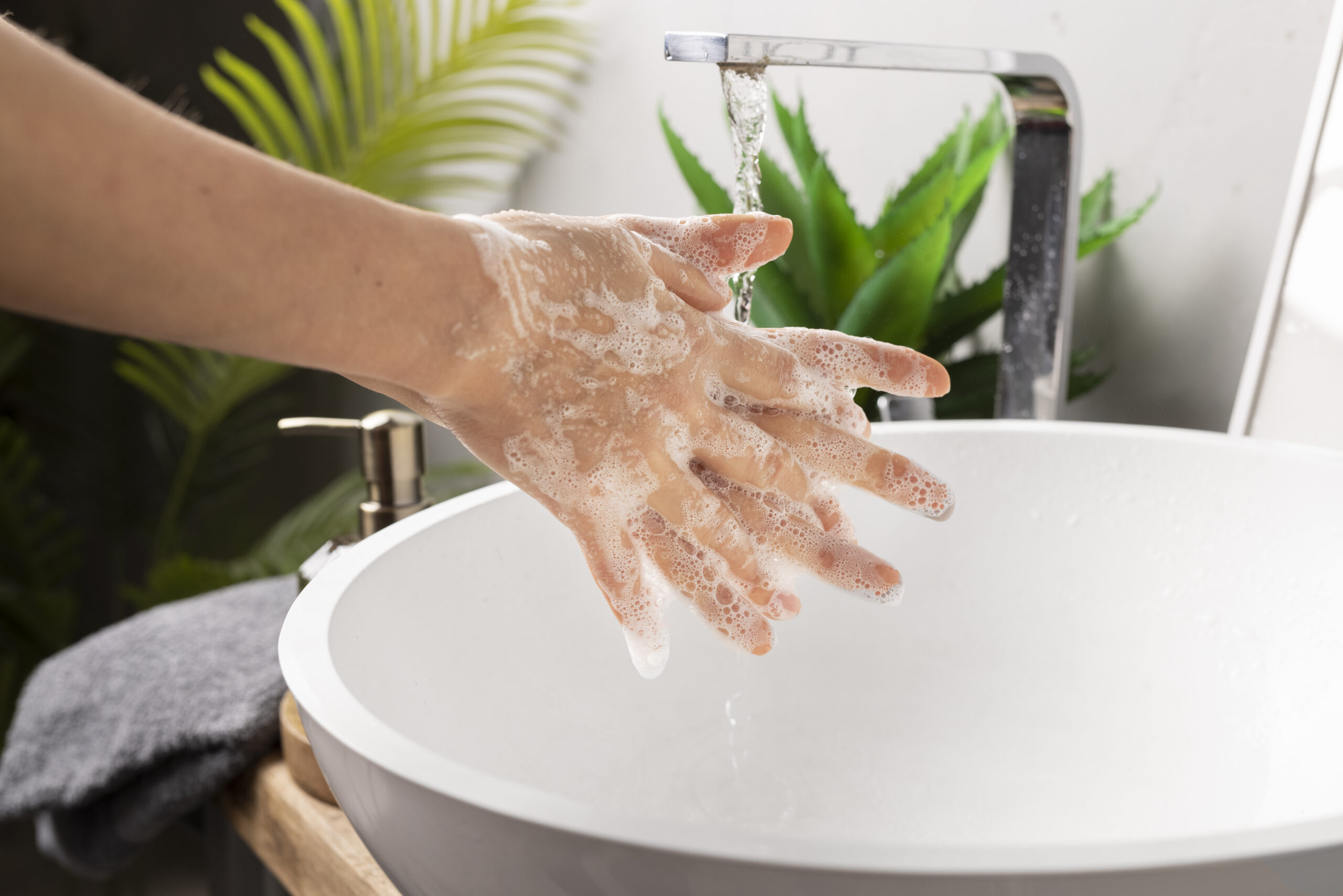
A quick rinse doesn’t cut through oils on the skin. Without soap, germs cling to the surface easily. Soap helps detach dirt and reduces the chance of transferring germs to your face, phone, or food.
Many people rely on water alone because they believe the running tap will flush everything away. I’ve seen this happen in busy workplaces where people are in a hurry. The truth is that even if your hands look clean, invisible residue stays behind without soap. Once you start paying attention to how slippery your hands feel with soap, you’ll notice the difference immediately.
Skipping Fingertips and Thumbs
People often rub their palms together and move on. Fingertips, nails, and thumbs collect the most germs. If these areas stay dirty, washing the rest of the hand doesn’t achieve much.
At home, I’ve caught myself doing a quick scrub and forgetting my thumbs entirely. Most of us repeat the same routine without thinking. Once you slow down and change the order of your scrubbing, you’ll notice how neglected these tiny areas are. A couple of seconds spent on your fingertips and thumb can prevent a lot of unnecessary contamination.
Rushing the Process
Most people scrub for only two to three seconds. That doesn’t allow the soap to work properly. A slow count to 20 gives enough time for a thorough clean without feeling like a chore.
People tend to rush handwashing when hungry, distracted, or trying to answer a call. I’ve had days where I rinsed so fast that soap barely formed any lather. Once you start timing yourself with a quiet count, you notice how short your usual wash really is. Giving yourself those extra seconds builds a routine that feels natural after a few days.
Turning Off the Tap With Bare Hands
Touching the handle after washing lets the same germs jump right back. If you’re in a public place, use a tissue or the back of your wrist to close the tap.
In restaurants and gas stations, this habit can undo all your effort. I used to turn off the tap with freshly washed hands until someone pointed out how often those handles are touched. Switching to a paper towel or using your wrist feels awkward at first, but soon becomes second nature. That tiny adjustment helps keep your hands cleaner for much longer.
Not Drying Hands Completely
Wet skin spreads germs faster than dry skin. Many people wipe once and go. A few extra seconds with a clean towel or dryer makes a big difference. Damp fingers on a phone screen or a shopping cart create a quick path for germs to spread.
I learned this the hard way when I kept getting small skin irritations after touching things with damp hands. Moisture works like glue for germs. Once I started drying properly, the irritation faded, and my hands felt far less sticky during the day. It’s an easy step to overlook, but it changes the whole outcome.
Using the Same Dirty Towel at Home
A shared towel becomes a germ collector by the second day, especially in a busy home. Even if it looks clean, moisture helps bacteria grow. A fresh towel every one to two days keeps things safer.
In my house, whenever several people used the same hand towel, it got damp quickly. It took just one round of replacing towels more often to notice fewer smells and fewer complaints about itchy skin. Towels feel harmless because they seem clean, but once you watch how fast they stay wet, you’ll understand why they need frequent replacement.
Relying on Hand Sanitizer Alone
Sanitizers help when you’re outside, but they don’t clean off dirt or grease. They also don’t work well on heavily soiled hands. Soap and water still do the heavier lifting.
Many people get used to carrying a sanitizer bottle and treat it as a full replacement for washing. I’ve had moments where sanitizer felt convenient, especially when running errands. But once you try it after handling food or touching dusty surfaces, you notice how sticky your hands still feel. Sanitizer helps, but it can’t take the place of a proper wash.
Conclusion
Good handwashing isn’t about complicated steps; it’s about doing the basics properly. Scrubbing longer, drying well, and using fresh towels can make a big difference in keeping germs at bay.
For a cleaner home or workspace where germs are less likely to spread, professional cleaning can support your hygiene routine. Able Pro Cleaning offers expert services that ensure every surface is sanitized, giving you peace of mind and a healthier environment.
FAQ
1. How long should proper handwashing take?
Around 20 seconds of scrubbing is ideal.
I tried timing myself for a week and realised how often I cut corners before. Once you get used to the rhythm, it becomes automatic and no longer feels long.
2. Is warm water required?
Warm or cold water both work. Soap is the main factor.
When I switched to cold water during a power outage, the results were the same as long as I scrubbed well. The temperature is more about comfort than effectiveness.
3. Do I need antibacterial soap?
No. Regular soap is fine for everyday use.
I’ve used both types, and the results were identical in daily situations. The bigger difference always came from how thorough my technique was, not the label on the bottle.
4. How many times a day should I wash my hands?
Before meals, after using the toilet, after coughing or sneezing, and after touching public surfaces.
Once you pay attention to your habits, you’ll notice you naturally wash more often during busy days and less during quiet ones. The key is staying aware of moments where germs spread easily.
5. Can I wash too often?
Yes. Overwashing can dry the skin. A light moisturizer helps maintain balance.
During harmattan season, I found myself washing more often and dealing with cracked skin. A mild cream solved the issue without reducing my hygiene routine.