February 28, 2026
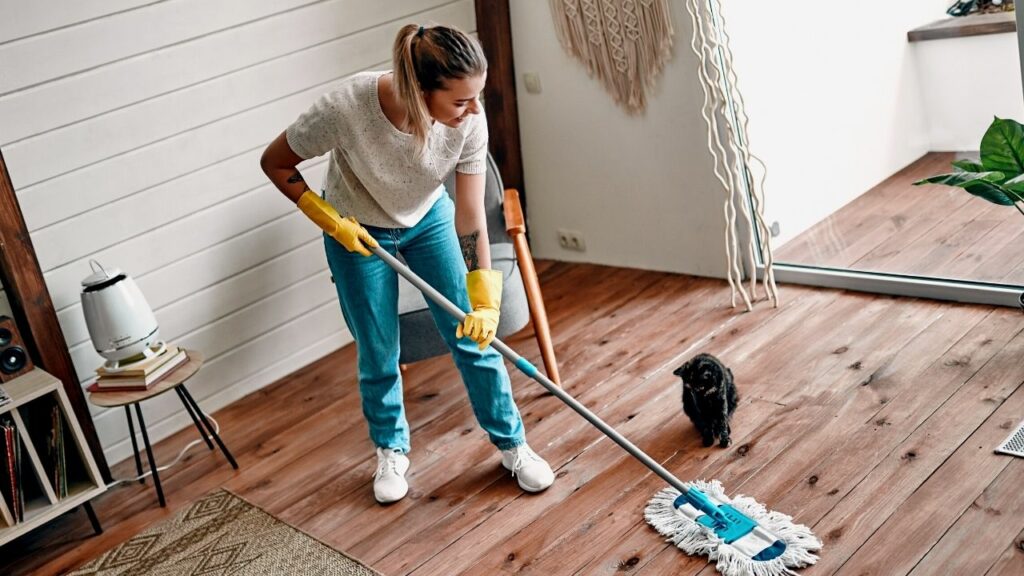
The Top 10 Cleaning Mistakes People Make
Introduction
Picture this: It’s Saturday morning, and you’re determined to clean your house spotless. An hour later, you’re scrubbing the same streaks off the bathroom mirror, frustrated that all your hard work still leaves things looking messy. If this sounds familiar, you’re not alone. Cleaning is part of everyday life, but many people unknowingly make cleaning mistakes that leave dirt behind or even damage their space. By avoiding these cleaning errors, you can save time, money, and effort and enjoy a healthier environment. In this post, we’ll explore the top 10 cleaning mistakes people make and how to fix them.
The Top 10 Cleaning Mistakes
1. Using Too Much Cleaning Product:
Excess product leaves sticky residue that attracts dust. Always follow the instructions on the label.2. Not Reading Labels
Different surfaces need different cleaners. Using the wrong one can cause stains or damage.3. Skipping Dusting Before Vacuuming
Dust falls to the floor when wiped. Vacuuming first means you’ll miss what settles later.4. Leaning Windows in Direct Sunlight
Sunlight dries cleaner too quickly, leaving streaks behind.5. Ignoring High-Touch Areas
Door handles, switches, and remotes are often overlooked but harbour the most germs.6. Using Dirty Cleaning Tools
Sponges, cloths, and mops spread bacteria if not cleaned or replaced regularly.7. Not Letting Disinfectants Sit
Spraying and wiping immediately doesn’t kill germs. Disinfectants need time to work.8. Mixing Cleaning Chemicals
Combining products like bleach and ammonia is dangerous and can release toxic fumes.9. Forgetting to Clean Air Vents
Dusty vents spread dirt and allergens throughout your space.10. Rushing Through the Process
Quick cleaning often misses hidden spots. Consistency and care make the difference.Conclusion
Cleaning isn’t just about wiping surfaces; it’s about using the right methods and avoiding mistakes that can actually make your space dirtier or even unsafe. By avoiding these top 10 cleaning mistakes, you’ll enjoy a healthier, fresher environment every day. Remember: clean smarter, not harder. Let this simple idea transform your approach and keep your space sparkling with less effort.
Ready to put these tips into action without lifting a finger? If you’re tired of spending weekends cleaning and want a sparkling home with zero hassle, let Able Pro Cleaning handle it for you. Visit Able Pro Cleaning to learn more about our professional services. For more tips on safe cleaning practices, check out the British Cleaning Council.
FAQs
Q: Do you catch yourself using extra cleaner, thinking more means better?
A: It’s a common misconception that more product equals a cleaner result. In reality, using too much cleaning solution can leave behind sticky residue that attracts dirt and makes surfaces look dull. Always follow the recommended amount on the label for best results.
Q: Should I rinse or wipe away leftover residue after cleaning?
A: Yes, it’s important to remove any excess cleaning solution after use. Failing to do so can leave a film that attracts dust and grime, reducing the effectiveness of your cleaning efforts. Use a clean cloth or water rinse as directed by the product instructions.
Q: How often should cleaning tools be replaced?
A: Sponges should be replaced weekly, as they can harbour bacteria quickly. Clothes can be washed and reused several times, but aim to replace them every few uses or when they start to smell or look worn. Mop heads should be replaced monthly or sooner if they become discoloured or frayed. Regular replacement ensures effective and hygienic cleaning.
A: Sponges weekly, cloths every few uses, and mop heads monthly, depending on usage.
Q: Can mixing cleaners really be harmful?
A: Yes, mixing certain cleaning products—like bleach and ammonia—can produce toxic gases that are extremely dangerous to your health. Always read product labels and avoid combining any cleaning agents unless the manufacturer specifically states it’s safe to do so.
A: Yes. Some combinations release toxic gases that are dangerous to breathe.