December 28, 2025

How to Reduce Dust, and Improve Air Quality
Introduction
Learning how to reduce dust & improve air quality is essential for maintaining a healthier indoor environment. Dust not only settles on surfaces; it also circulates in the air, affecting breathing, comfort, and cleanliness. Over time, unmanaged dust can contribute to allergies and respiratory irritation. Indoor air quality plays a significant role in how a space feels and functions. Homes and offices with poor air quality often feel stuffy, uncomfortable, and more challenging to keep clean. Reducing dust helps create a fresher atmosphere and a space that feels easier to live and work in.
Why Dust Control Matters for Air Quality
Dust particles contain allergens, fibres, and pollutants that easily become airborne. Each movement—walking, opening doors, or sitting on furniture—can stir up dust, which can affect breathing quality. Health authorities link indoor dust buildup to irritation of the eyes, nose, and throat. Managing dust levels improves comfort and supports long-term respiratory health.How to Reduce Dust & Improve Air Quality
Vacuum Frequently
Regular vacuuming is one of the most effective ways to reduce dust. Carpets, rugs, and upholstered furniture trap dust deep within fibres, releasing it back into the air when disturbed. Using a vacuum with a HEPA filter improves results by capturing fine dust particles instead of redistributing them. Vacuuming consistently helps maintain cleaner air and cleaner floors.Improve Ventilation
Ventilation plays a key role in controlling indoor dust levels. Poor airflow allows dust to settle and linger, while fresh air helps dilute airborne particles. Keeping windows, vents, and air pathways clean improves circulation and supports healthier air indoors.Use Microfiber Cloths
Traditional dusters often push dust from one surface to another. Microfiber cloths are designed to trap dust particles rather than spread them. Regular dusting with microfiber cloths reduces airborne dust and keeps surfaces cleaner for longer. This simple change makes everyday cleaning more effective.Wash Fabrics and Soft Furnishings Regularly
Dust builds up quickly in fabrics because soft materials trap dust particles deep within their fibres. Curtains, cushions, throws, bedding, and rugs continuously collect dust from the air and release it back into the room when disturbed. If these items are not washed regularly, dust levels will continue to rise even if surfaces are cleaned.
Washing fabrics weekly or biweekly significantly reduces dust circulation. Clean bedding alone can lower dust exposure during sleep, while freshly washed curtains and cushion covers prevent dust from resettling on floors and furniture. Reducing dust in fabrics is essential because dust trapped in textiles is one of the most overlooked contributors to poor indoor air quality.
Reduce Clutter to Limit Dust Collection
Clutter creates more surfaces for dust to settle on. Decorative items, stacks of paper, unused furniture, and overcrowded shelves all collect dust, making cleaning less effective. The more items in a space, the more places dust can hide and accumulate.
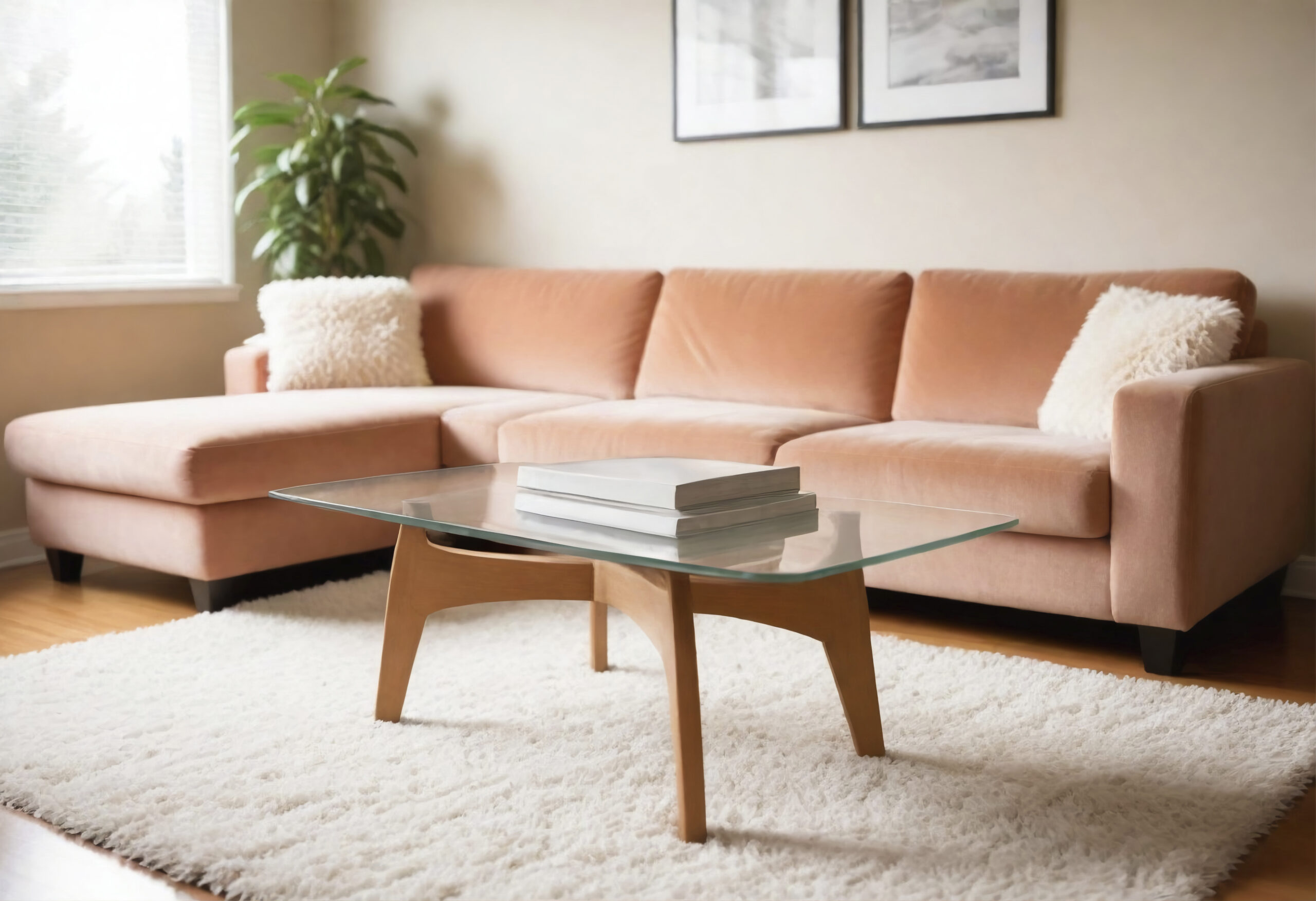
Reducing clutter limits the number of dust-holding surfaces and makes it easier to obliterate dust. Transparent surfaces allow dust to be wiped away rather than pushed around. A decluttered space also prevents dust from building up behind objects, where it often goes unnoticed for long periods.
Clean Vents, Skirting Boards, and High Surfaces
Dust does not stay at eye level. It settles heavily in vents, skirting boards, ceiling corners, light fixtures, and behind furniture. When airflow passes through dusty vents, it spreads dust throughout the entire space, increasing airborne dust levels.
Cleaning vents and high surfaces removes large reservoirs of trapped dust that standard cleaning often misses. Skirting boards and ceiling edges collect dust continuously, and neglecting them allows dust to circulate back into the air. Addressing these areas is essential for long-term dust reduction and improved air quality.
Professional Cleaning and Dust Reduction
Even with good habits, dust continues to accumulate in hard-to-reach areas. Professional cleaning focuses on removing dust from areas that routine cleaning cannot reach. This includes deep carpet fibres, upholstery, ventilation points, and high-level surfaces where dust accumulates over time.
Working with AblePro Cleaning ensures dust is removed thoroughly rather than redistributed. Professional equipment captures fine dust particles and prevents them from re-entering the air. This level of dust control supports cleaner air, improved comfort, and healthier indoor environments. 👉 Professional Cleaning Services – AblePro CleaningFAQs
How often should I clean to effectively reduce dust?
To reduce dust effectively, most homes and offices benefit from weekly dusting and vacuuming. Areas with carpets, soft furnishings, or high foot traffic tend to collect dust faster and may need more frequent attention. Regular cleaning prevents dust from accumulating and circulating back into the air, while occasional deep cleaning helps remove dust from hard-to-reach areas.
Does professional cleaning help with allergies and breathing issues?
Yes, professional cleaning can significantly help people who experience allergies or breathing discomfort. Dust often contains allergens that settle deep into carpets, upholstery, vents, and hard-to-reach surfaces. Professional equipment and methods remove these particles more thoroughly, improving indoor comfort and air quality.
Are microfiber cloths better than regular cloths for dusting?
Microfiber cloths are more effective because they trap dust rather than push it into the air. Unlike traditional cloths or feather dusters, microfiber holds onto particles, reducing resettling on surfaces. When appropriately used and washed regularly, they support better dust control throughout the space.
Can offices benefit from improved dust control and air quality?
Offices benefit significantly from reduced dust levels because cleaner air supports comfort, focus, and hygiene. Employees spend long hours indoors, and dusty environments can feel stuffy and uncomfortable. Regular cleaning helps maintain a professional workspace and supports employee well-being.
Do air purifiers replace the need for cleaning?
Air purifiers do not replace cleaning. They help filter airborne particles but do not remove dust that has already settled on surfaces. Cleaning eliminates the source of dust, while air purifiers help manage what remains in the air. Using both together delivers better results.
Conclusion
Understanding how to reduce dust & improve air quality is essential for creating healthier, more comfortable indoor spaces. Dust affects more than appearance—it influences how air circulates, how surfaces feel, and how people breathe indoors. When dust is managed correctly, spaces feel fresher, cleaner, and easier to maintain day to day.
Simple habits like regular vacuuming, improving ventilation, and using practical dusting tools can significantly reduce airborne particles over time. These actions help limit dust buildup and prevent it from constantly re-entering the air. Consistent care also reduces the strain of heavy cleaning and supports a more pleasant indoor environment.
While daily cleaning routines are essential, professional cleaning provides a deeper level of dust removal that routine efforts often miss. Hidden areas, soft furnishings, and ventilation points require specialised tools and experience to clean thoroughly. Working with AblePro Cleaning ensures a cleaner space, improved air quality, and long-term comfort for homes and workplaces alike.
👉 Book a Professional Cleaning with AblePro Cleaning